The fascinating evolution of casinos through the ages
Early Beginnings of Gambling
The origins of gambling can be traced back to ancient civilizations where rudimentary forms of games of chance were played. Archaeological findings suggest that as early as 3000 BC, the Chinese were using rudimentary gambling tools, including dice made from animal bones. In ancient Rome, betting on chariot races was a popular pastime, highlighting that the thrill of chance has been a part of human culture for millennia. Today, you can explore the latest trends in this field at https://25robertst.com/.
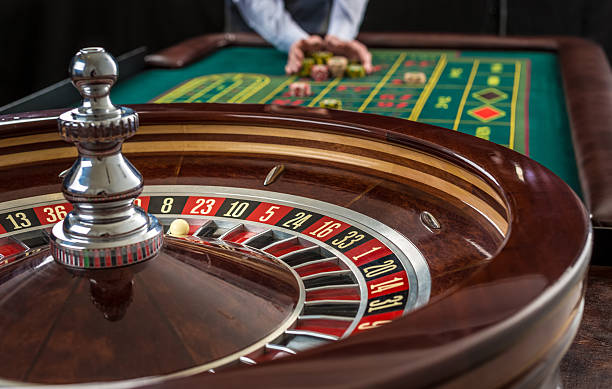
These early forms of gambling laid the groundwork for what would later evolve into more structured gaming establishments. The advent of currency further facilitated gambling activities, as it allowed individuals to wager actual money rather than goods or services. This evolution set the stage for the emergence of more formal venues where people could gather to indulge in games of chance.
The Rise of Gambling Houses
By the 17th century, gambling houses began to flourish, particularly in Europe. These establishments were often private clubs where the elite could engage in games such as card games and dice. In France, the term ‘casino’ emerged from the Italian word for ‘little house,’ indicating a place for pleasure and entertainment. This era marked a significant shift towards organized gambling, moving from informal gatherings to dedicated venues.
These early casinos featured games that remain popular today, such as roulette and blackjack. As gambling became more socially acceptable, cities began to embrace casinos as a means of attracting tourism and generating revenue. The transformation of gambling from a private activity into a public spectacle helped to shape its future trajectory.
The Birth of Modern Casinos
The 19th century heralded a new era for casinos, particularly with the opening of the first official casino in Venice in 1638, known as the Casino di Venezia. This establishment laid the foundation for modern casinos, which combined games of chance with luxurious amenities and entertainment. The concept quickly spread across Europe, paving the way for iconic gaming destinations such as Monte Carlo and Las Vegas.
Las Vegas, in particular, became synonymous with the modern casino experience, characterized by extravagant architecture, themed resorts, and an array of gaming options. The introduction of slot machines and electronic gaming transformed the industry, making it accessible to a broader audience. The mid-20th century marked the golden age of casinos, attracting millions of visitors eager to experience the thrill of gambling.
The Digital Revolution in Gaming
The late 20th and early 21st centuries brought about a technological revolution that dramatically changed the casino landscape. The rise of the internet enabled the establishment of online casinos, allowing players to gamble from the comfort of their homes. This shift not only expanded the reach of casinos but also diversified the types of games available.
Online gambling has grown exponentially, offering a vast array of options, from traditional table games to innovative slot machines. Mobile gaming has further transformed the industry, enabling users to access their favorite games on the go. As regulatory frameworks adapt to accommodate this new frontier, the world of online casinos continues to evolve, emphasizing convenience and user experience.

The Future of Casinos
As we look to the future, the evolution of casinos shows no signs of slowing down. Emerging technologies such as virtual reality and blockchain are poised to reshape the gaming experience, offering players immersive environments and secure transactions. The integration of social elements into online platforms is also set to enhance player interaction and community engagement.
With the ongoing development of responsible gaming initiatives and regulatory adaptations, the casino industry is focused on creating a safe and enjoyable environment for all players. As gaming continues to evolve, it will undoubtedly reflect broader societal changes and technological advancements, ensuring that casinos remain a fascinating part of our cultural landscape.
Leave a Reply